Endovascular Treatment

Minimally invasive options to diagnose and treat vascular disease in Greensboro

Overview | Preparation Instructions | FAQs

TAKE OUR QUIZ TO SEE IF YOU’RE ELIGIBLE »

How is vascular disease diagnosed?

Vascular disease may be initially diagnosed by your doctor after a visual inspection of your limbs or with a diagnostic imaging test such as an ultrasound. Just prior to treatment, however, a more precise test called an angiogram may be used to help identify the exact location of the disease and help our doctor to select the proper treatment.

Vascular Disease, Endovascular Treatment

What minimally invasive treatments are available for vascular disease?

At Carolina Endovascular, we perform several different endovascular treatments to treat a full range of vascular conditions. Endovascular literally means “inside a blood vessel” which is where the treatment is performed… using tiny catheters, miniature instruments and a specially trained doctor known as an interventional radiologist who uses imaging to see inside the vessel to perform the procedure.

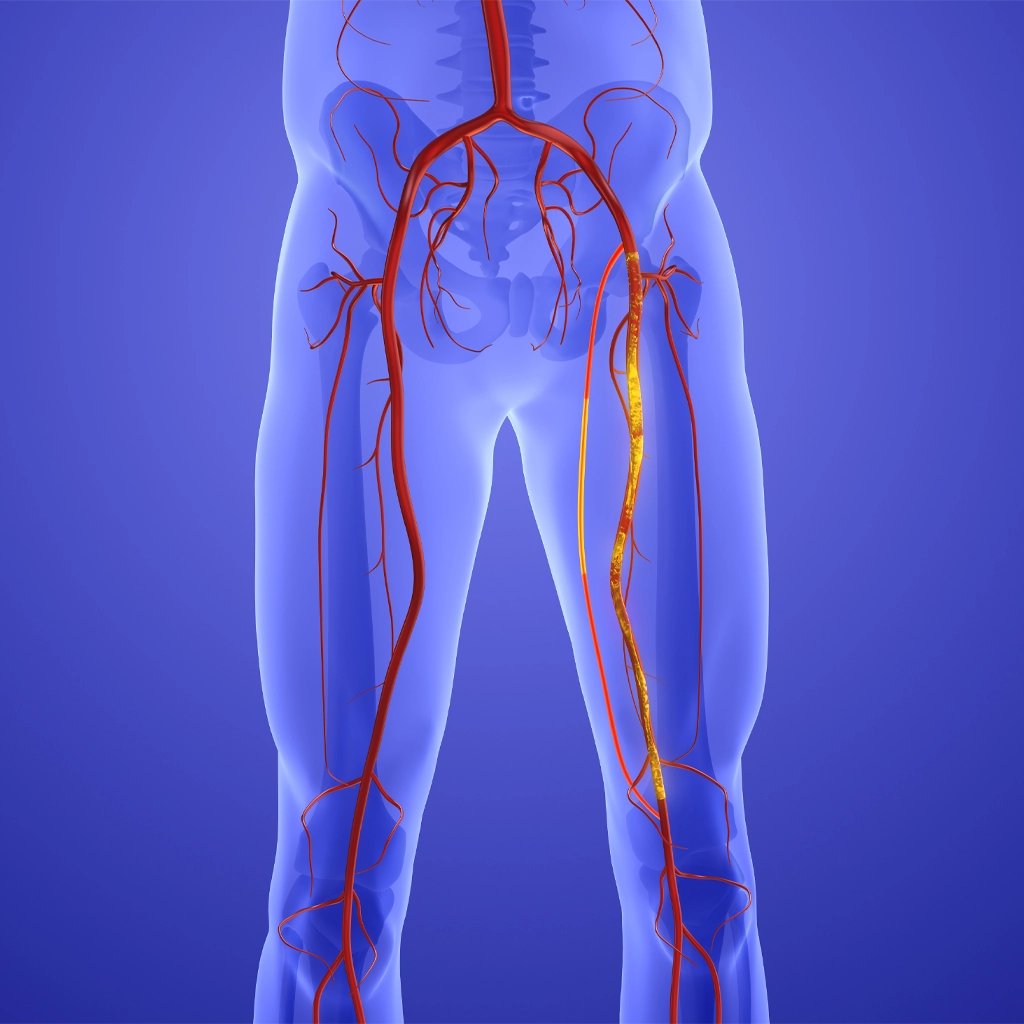
For PAD, angioplasty is a minimally invasive treatment to open a narrowed artery that is preventing blood from flowing to the extremities. The doctor advances a catheter with a special balloon into the narrowed artery. The balloon is then inflated to open the artery. In some cases, a tiny metal scaffold—known as a stent—may need to be placed within the artery to keep it open. An alternative treatment, called atherectomy, uses a tiny burring device to cut away plaque from the artery wall and safely remove it from the body.

For DVT, catheter-directed thrombolysis is a safe and effective alternative to surgery. If anticoagulation medication hasn’t effectively dissolved the clot, our doctor uses imaging to guide a catheter into the deep vein and releases a special clot-busting medication directly into the clot to dissolve it.

For varicose veins, radiofrequency (RFA) ablation is a technique used by our doctors to seal off the diseased vein. This causes it to shrink, and blood is naturally re-routed through other, healthy blood vessels. Over time, the varicose vein shrinks and is absorbed by the body.
The advantages of our minimally invasive treatments for vascular disease include:

  • High success rate (> 90%) – With better safety and lower mortality rates than surgery
  • No hospitalization – Treatments are performed in our convenient outpatient center
  • No general anesthesia – These procedures may only require “twilight” sedation
  • Shorter recovery – You can return home the same day as the procedure and resume most normal activities in a few days
  • Less expensive than surgery – This can make a real difference when it comes to insurance deductibles and co-pays

Why visit Carolina Endovascular for your vascular treatment?

Endovascular treatments like these are performed at hospitals and large medical centers in North Carolina. However, you can avoid the hassles of going to the hospital for an endovascular procedure… such as paying for parking, long waiting periods and potential exposure to very ill patients.

Carolina Endovascular delivers a very different experience. With our primary focus on you, we deliver a level of concierge-style service uncommon in healthcare today. Our doctors are just as experienced as hospital doctors; in fact, they used to work at hospitals and have extensive experience performing procedures like angioplasty (with and without stenting), atherectomy, catheter-directed thrombolysis and radiofrequency ablation. Our staff has all the required safety equipment and training. Additionally, the same procedure costs less at our center, which can save you money when it comes to insurance deductibles and co-pays.

Vascular Treatment Preparation Instructions

  • Please inform us about any medications that you are taking, including herbal supplements. Also, please inform us if you have any allergies, or have had allergic reactions to local anesthetic agents, any medications or contrast (also known as “x-ray dye”).
  • Our staff may advise you to stop taking aspirin, non-steroidal anti-inflammatory drugs (Tylenol, Advil) or a blood thinning medication for a period of time before your procedure.
  • Please inform us if you have other medical conditions or have recently experienced an illness.
  • You may take your usual medications, including blood pressure medications, unless otherwise instructed.
  • You may be asked not to eat or drink anything for several hours before your procedure.
  • Expect to remain for 1-2 hours after your procedure for a period of observation

Endovascular Treatments Frequently Asked Questions

Peripheral artery disease (PAD) occurs when arteries become narrowed or blocked, reducing blood flow to the legs. Common symptoms include leg pain when walking (claudication), numbness, weakness, cold feet, slow-healing wounds, and in severe cases, pain at rest. Early diagnosis and treatment can help prevent serious complications.

Many patients with PAD can be treated with minimally invasive procedures such as angioplasty, stenting, or atherectomy. These treatments open blocked arteries and restore blood flow using tiny catheters inserted through a small incision, allowing for faster recovery and less risk compared to surgery.

Deep vein thrombosis (DVT) is a blood clot that forms in a deep vein, usually in the leg. It can cause swelling, pain, warmth, and redness. DVT is dangerous because the clot can travel to the lungs, causing a pulmonary embolism, which is a life-threatening condition. Prompt treatment is important to reduce risks and long-term complications.

Treatment for DVT may include blood-thinning medications or minimally invasive procedures such as catheter-directed thrombolysis, where clot-dissolving medication is delivered directly into the clot. This approach can help restore blood flow more quickly and reduce the risk of long-term vein damage.

Varicose veins should be evaluated if they cause symptoms such as leg heaviness, aching, swelling, itching, cramping, or skin changes. Treatment may also be recommended if there is a risk of complications like ulcers or blood clots, or if symptoms interfere with daily activities.

Minimally invasive treatments such as radiofrequency ablation (RFA) or endovenous procedures are considered highly effective for varicose veins. These treatments seal the diseased vein so blood reroutes to healthy veins, improving symptoms and appearance with little downtime.

Take our quiz below to see if you qualify for vascular treatment.

Fill out your information below and the team at Carolina Endovascular will reach out to you shortly!

This field is for validation purposes and should be left unchanged.
Name(Required)
How soon would you like to schedule a consultation?(Required)
Which location would you prefer?(Required)