
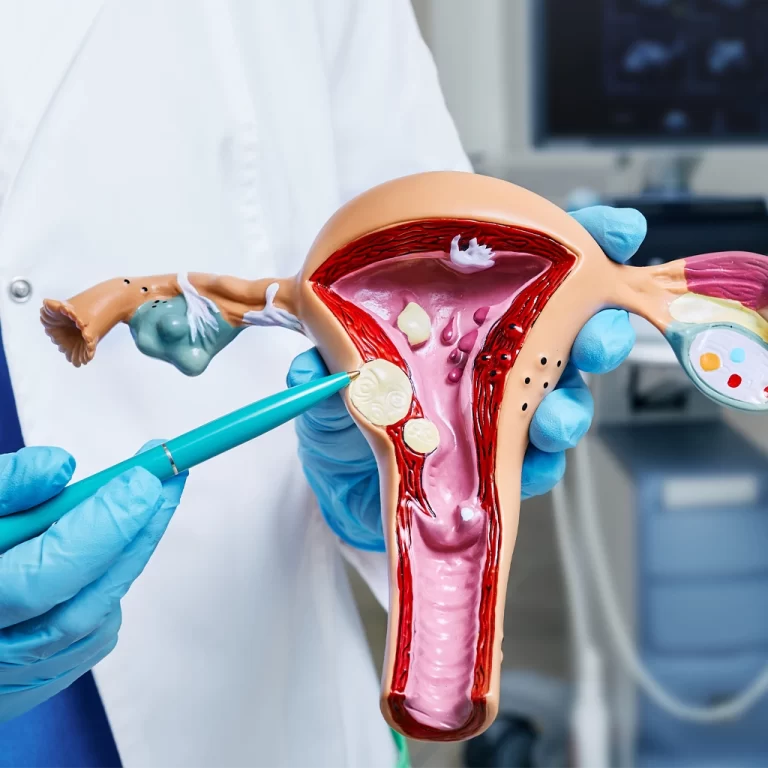
What is Uterine Fibroid Embolization (UFE)
Uterine fibroid embolization (UFE) is a safe, proven and effective treatment option for uterine fibroids. It is minimally invasive, which means that there is no hospitalization, no general anesthesia, no scarring and no long, painful recovery. Uterine fibroid embolization (UFE) treats fibroids without removing the uterus.
Using advanced image-guided techniques, we block the blood supply to the fibroids, causing them to shrink over time and relieving symptoms such as heavy bleeding and pelvic pressure.
UFE is performed through a small catheter, without open surgery, and patients return home the same day. For appropriately selected women, it offers a durable, minimally invasive alternative that preserves the uterus and avoids a prolonged surgical recovery.
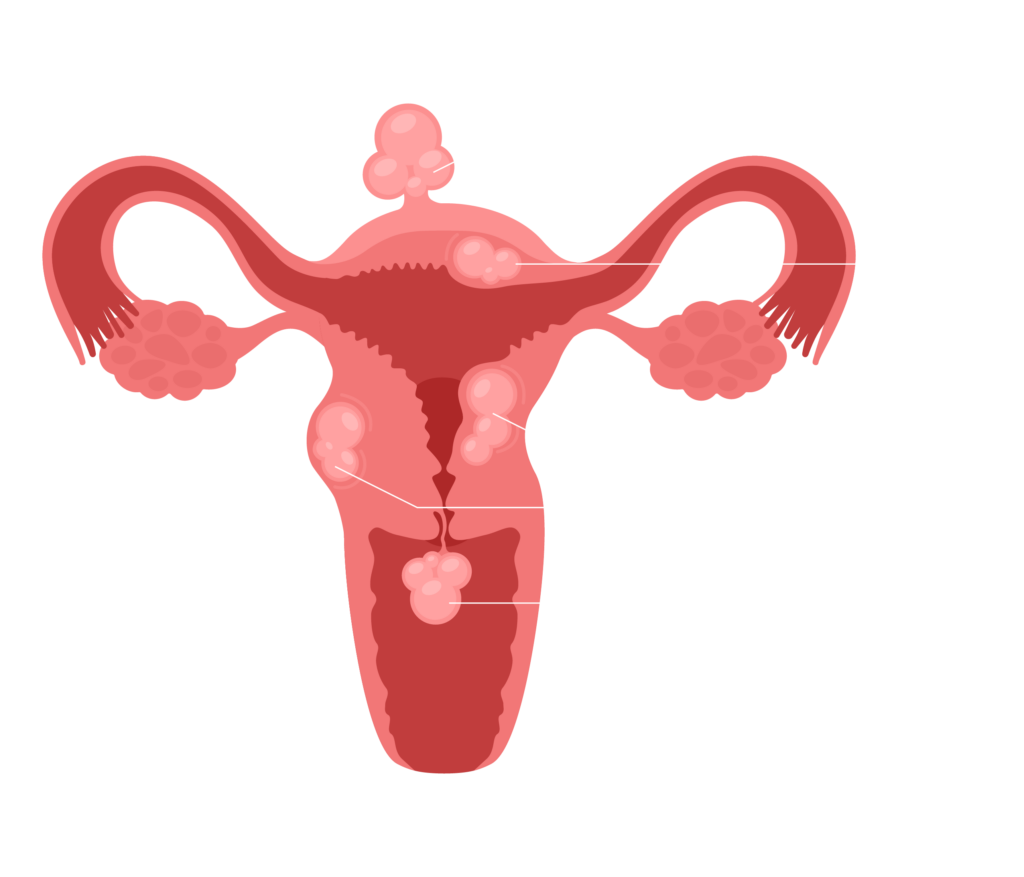
Why consider uterine fibroid embolization?
- High success rate – UFE is effective for 85-90% of women, even over the long term
- No hospitalization – UFE is performed in our convenient outpatient center
- No general anesthesia – UFE only requires “twilight” sedation during the procedure
- No scarring – UFE requires a tiny needle puncture in the wrist or thigh to access the bloodstream
- Shorter recovery – You can return home the same day as the procedure and resume most normal activities in about a week
- Less risk – Surgical procedures like hysterectomy and myomectomy have higher intraoperative and post-operative risks
- Less expensive than surgery – This can make a real difference when it comes to insurance deductibles and co-pays
What happens during the UFE procedure?
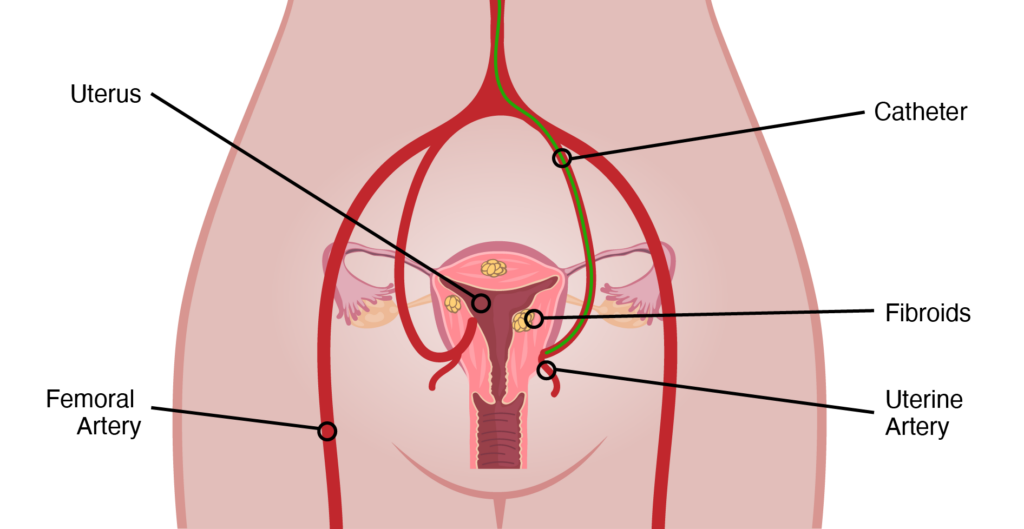
UFE is performed by a specially trained doctor called an interventional radiologist. The doctor uses X-ray imaging to guide a small catheter through the bloodstream to the uterine artery and then into the smaller blood vessels that supply blood to the uterine fibroids. Tiny microspheres are injected into these smaller blood vessels, which deprive the fibroid of the oxygenated blood it needs to survive. Over time, the fibroid(s) will shrink, and the symptoms will reduce.
After the procedure, there is a short observation period and then you may return home. In clinical studies, women who have had UFE reported a high level of satisfaction with the procedure and a significant improvement in their quality of life, even over the long term.1,2
Why Choose Carolina Endovascular for Uterine Fibroid Embolization (UFE)?
Uterine fibroid embolization is a highly specialized, image-guided procedure that requires technical precision and extensive experience. At Carolina Endovascular, UFE is performed by board-certified interventional radiologists with advanced training in complex embolization therapies.
Our center was purpose-built for minimally invasive procedures. Unlike a large hospital environment, our focus is entirely on outpatient, image-guided care. Patients are treated in a private, thoughtfully designed setting where efficiency, safety, and comfort are central to the experience.
Because we operate as a dedicated specialty center, we are able to deliver hospital-level technology and safety standards in a more streamlined and personalized environment. Procedures are performed with advanced imaging equipment and most patients return home the same day.
Our goal is simple: to provide expert, minimally invasive fibroid treatment in a setting that prioritizes clinical excellence, discretion, and an exceptional patient experience.
UFE Preparation Instructions
- Please inform us about any medications that you are taking, including herbal supplements. Also, please inform us if you have any allergies, or have had allergic reactions to local anesthetic agents, any medications or contrast (also known as “X-ray dye”).
- Our staff may advise you to stop taking aspirin, non-steroidal anti-inflammatory drugs (Tylenol, Advil) or a blood thinning medication for a period of time before your procedure.
- Please inform us if you have other medical conditions or have recently experienced an illness.
- Women who are pregnant should not have a UFE procedure, as the X-rays required during the procedure expose the fetus to radiation.
- You may take your usual medications, including blood pressure medications, unless otherwise instructed.
- You may be asked not to eat or drink anything for several hours before your procedure.
- Expect to remain for 1-2 hours after your procedure for a period of observation.
- Smith WJ, Upton E, Shuster EJ, Klein AJ, Schwartz ML. Patient satisfaction and disease specific quality of life after uterine artery embolization. Am J Obstet Gynecol. 2004;190(6):1697–1703.
- Scheurig-Muenkler C, Koesters C, Powerski MJ, Grieser C, Froeling V, Kroencke TJ. Clinical long-term outcome after uterine artery embolization: sustained symptom control and improvement of quality of life. J Vasc Interv Radiol. 2013;24(6):765–771
Uterine Fibroid Embolization Frequently Asked Questions
Uterine fibroid embolization is a safe alternative to other uterine fibroid treatments. Our doctors are specially trained to perform minimally invasive procedures with the highest quality care and precision.
Many insurance companies offer coverage for the UFE procedure. Talk to your insurer’s customer service representatives or call our clinic if you have questions about coverage.
The people who benefit most from UFE have significant fibroid symptoms and want to avoid the risks and long recovery associated with surgery. Patients with cancer and those who are or may be pregnant are not eligible for UFE.
Uterine fibroids have been connected to higher rates of fertility issues in women. Getting a UFE procedure to remove fibroids can help couples achieve pregnancy in many cases.
Fibroids treated by UFE should not experience regrowth after the treatment. However, new fibroids can grow in the uterine lining and may require their own UFE procedures.
For more information or to make an appointment, call our clinic at 336-499-9513.
We have two centers conveniently located in Charlotte, NC and Greensboro, NC.