Varicose Veins

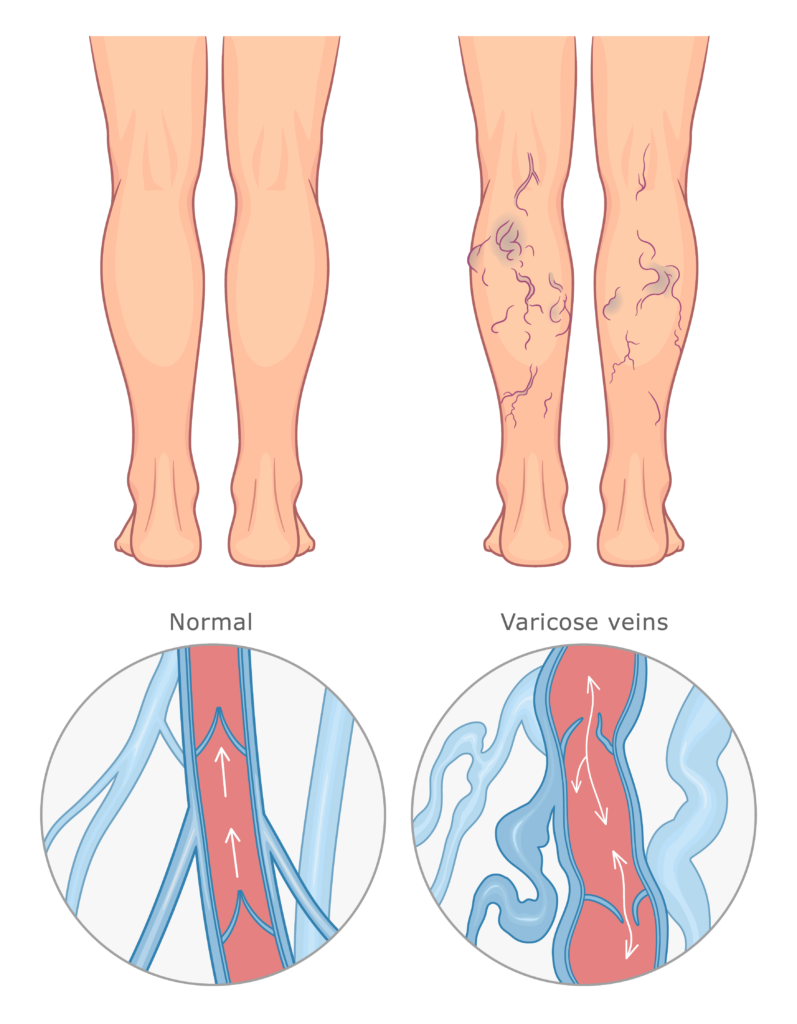
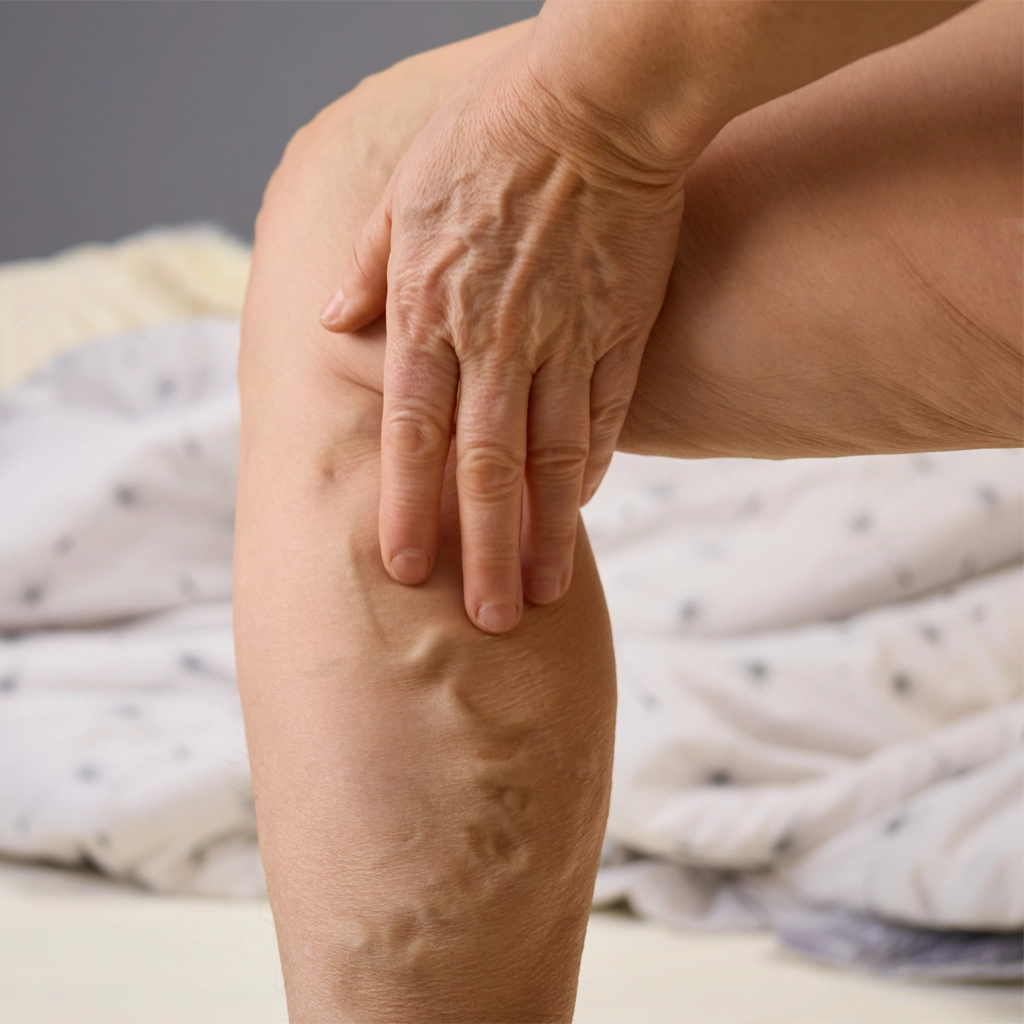
At Carolina Endovascular, we have years of experience treating patients with varicose and spider veins. Varicose veins refer to veins that have become swollen or twisted, often visible as raised blood vessels on the lower body. They are a common occurrence in older people, especially women.1

In addition to their appearance, the main symptom of varicose veins is pain that worsens with long periods of standing or sitting in one position. In more severe cases, varicose veins can cause skin and tissue damage, leading to painful “varicose leg ulcers.”

While not dangerous on their own, varicose veins can lead to other issues if left untreated, such as:

  • Varicose leg ulcers, which may become infected
  • Deep vein thrombosis (DVT)
  • Superficial venous thrombosis (SVT)
  • Pulmonary embolism or stroke caused by DVT or SVT
varicose veins

What Causes Varicose Veins?

Varicose veins are caused by a heightened blood pressure in the veins, called “venous hypertension.” High venous blood pressure may be caused by other vascular conditions such as chronic venous disease and pelvic congestion syndrome. Other varicose vein risk factors include pregnancy, obesity, age, gender (women are more likely to have varicose veins), and a history of smoking.

Varicose veins can also happen in people with jobs that require a lot of standing up. Wearing compression stockings during work can help keep the blood moving.

Varicose Vein Treatment Options

Conservative treatment

If you have small varicose veins, also known as spider veins, your doctor may recommend a “wait-and-watch” approach. Other non-invasive treatments include the use of compression socks and bandages to protect ulcers as they heal.

Varicose Vein Surgery

For patients with large varicose veins and significant pain, a surgeon can remove the affected blood vessels, so the body redirects blood to healthy veins. The main surgery used for varicose veins is High Ligation and Stripping, which may take place in the Great Saphenous Vein (GSV) or Small Saphenous Vein (SSV).

Endoscopic treatment

There are two minimally invasive treatments for varicose veins: sclerotherapy and endovenous laser therapy (EVLT). Both procedures are performed by interventional radiologists, who use tiny catheters to reach varicose veins and treat them from the inside. Unlike surgery, these highly successful procedures don’t require hospitalization or the use of general anesthesia.2

Visit our varicose veins treatment guide for more information on the minimally invasive procedures offered by Carolina Endovascular.