
Plantar Fasciitis Embolization (PFE)

A new treatment option in Greensboro and Charlotte

Overview | Preparation Instructions | FAQs

PFE has emerged as a viable treatment for plantar fasciitis with an excellent safety profile and record of success.1

When plantar fasciitis occurs, abnormal blood vessels grow alongside damaged nerve fibers in the heel. These blood vessels are the root cause of chronic pain and inflammation within the heel because they are supplying the inflamed fascia. By blocking the blood flow through these abnormal vessels, pain and inflammation are reduced and the fascia tissues can heal naturally.
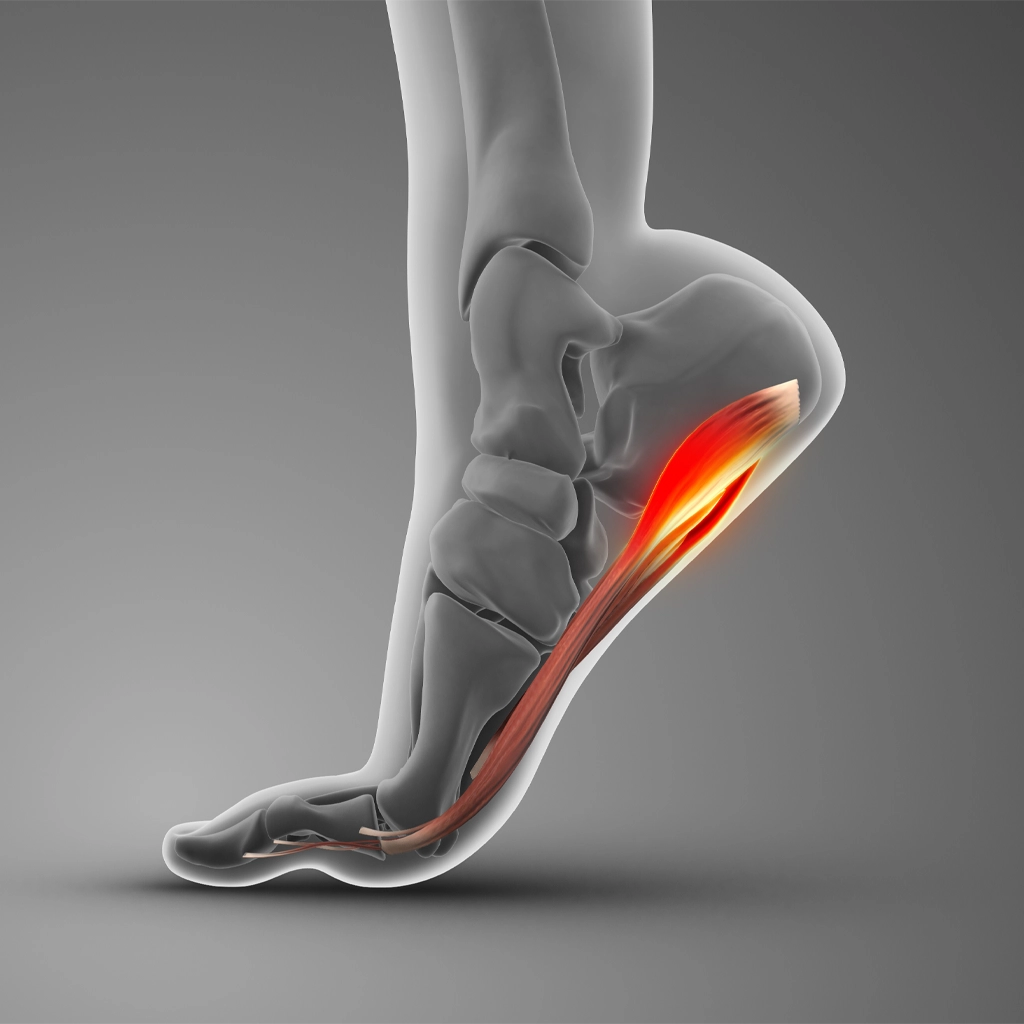

Plantar Fasciitis Embolization (PFE)

Why consider plantar fasciitis embolization?

  • High success rate (70-90%) – Most studies indicated 83-85% or better improvement rates
  • No hospitalization – PFE is performed in our convenient outpatient center
  • No general anesthesia – PFE only requires “twilight” sedation during the procedure
  • Shorter recovery – You can return home the same day as the procedure and resume walking
  • Less risk – Surgical procedures have higher intraoperative and post-operative risks
  • Less expensive than surgery – This can make a real difference when it comes to insurance deductibles and co-pays

What happens during the PFE procedure?

PFE is performed by an interventional radiologist, a doctor specially trained in performing minimally invasive procedures guided by imaging. During the procedure, a small catheter is inserted into the leg and guided to the abnormal blood vessels. Tiny microparticles are injected into the vasculature where they become lodged and block blood flow.

Why visit Carolina Endovascular for your PFE procedure?

Plantar fasciitis embolization is performed at our convenient outpatient center, and we are one of the only interventional radiology practices in our state performing this procedure. With our primary focus on you, Carolina Endovascular delivers a level of concierge-style service uncommon in healthcare today.

PFE Preparation Instructions

  • Please inform us about any medications that you are taking, including herbal supplements. Also, please inform us if you have any allergies, or have had allergic reactions to local anesthetic agents, any medications or contrast (also known as “X-ray dye”).
  • Our staff may advise you to stop taking aspirin, non-steroidal anti-inflammatory drugs (Tylenol, Advil) or blood thinning medications for a period of time before your procedure.
  • Please inform us if you have other medical conditions or have recently experienced an illness.
  • You may take your usual medications, including blood pressure medications, unless otherwise instructed.
  • You may be asked not to eat or drink anything for several hours before your procedure.
  • Expect to remain for 1-2 hours after your procedure for a period of observation.

Plantar Fasciitis Embolization FAQs

Many patients begin to notice symptom improvement within a few weeks as inflammation decreases, with continued progress over the following months. Healing timelines vary depending on how long symptoms have been present and individual activity levels.

Yes. PFE can still be an option for patients who have previously tried injections, shockwave therapy, or other non-surgical treatments without lasting relief. Prior treatments do not usually prevent you from being considered.

Yes. Because the procedure is minimally invasive and does not involve cutting or altering the structure of the foot, many active individuals consider it when heel pain is limiting exercise, sports, or work activities. Your provider will guide your return to higher-impact activity.

Untreated plantar fasciitis may lead to chronic pain, altered walking patterns, and compensation injuries affecting the knees, hips, or back. Early treatment can help prevent long-term complications and improve quality of life.

Most patients are able to walk the same day after minimally invasive treatment and gradually return to normal activity levels. Your care team will provide personalized guidance on activity progression based on your symptoms and lifestyle needs.

You should consider seeing a specialist if your heel pain has lasted more than a few months, is interfering with daily activities, or has not improved with home treatments such as stretching, supportive footwear, or orthotics. Persistent symptoms may indicate chronic inflammation that requires more advanced treatment.

We have two centers conveniently located in Charlotte, NC and Greensboro, NC.

Fill out your information below and the team at Carolina Endovascular will reach out to you shortly!

This field is for validation purposes and should be left unchanged.
Name(Required)
How soon would you like to schedule a consultation?(Required)
Which location would you prefer?(Required)