Hemorrhoidal Artery Embolization (HAE)

An easier, more practical treatment option for chronic hemorrhoids in Greensboro and Charlotte

Overview | HAE Preparation Instructions | FAQs

Take our quiz to see if you are eligible for treatment »

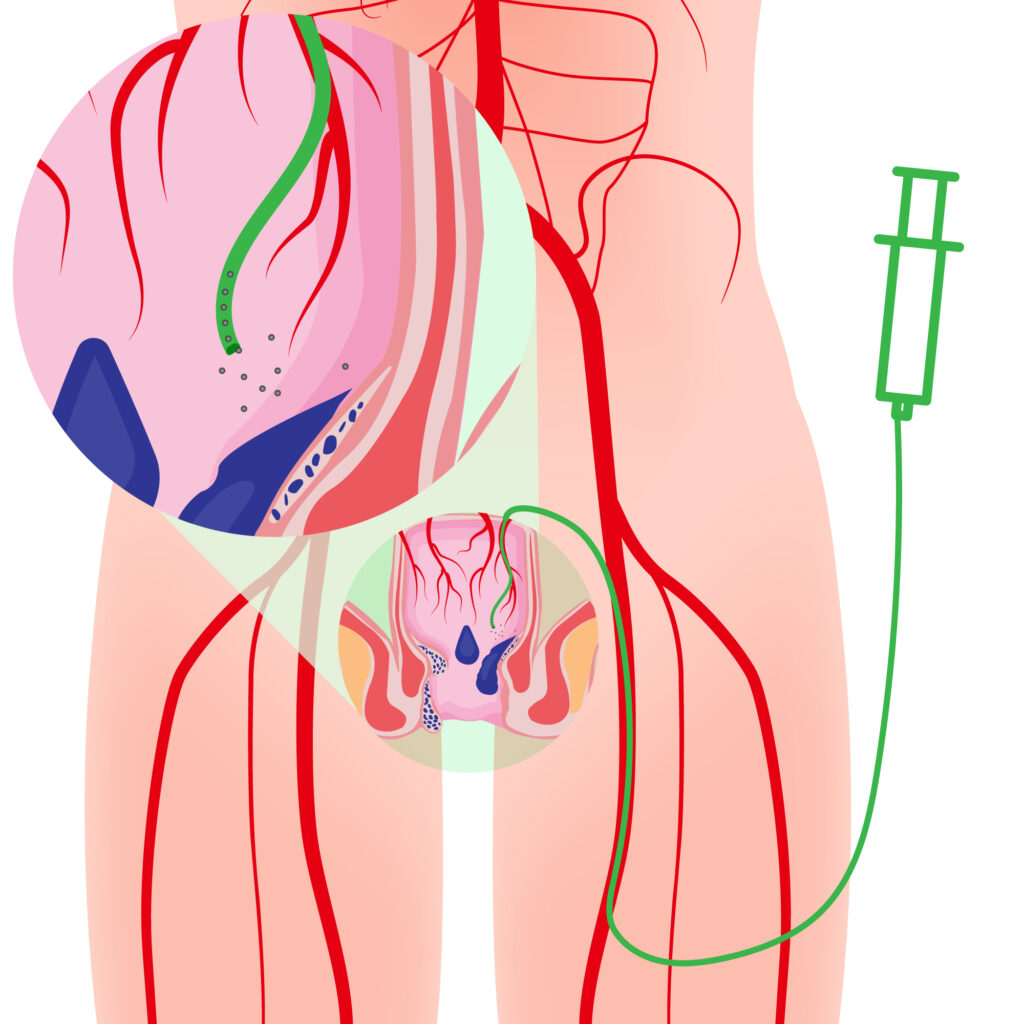
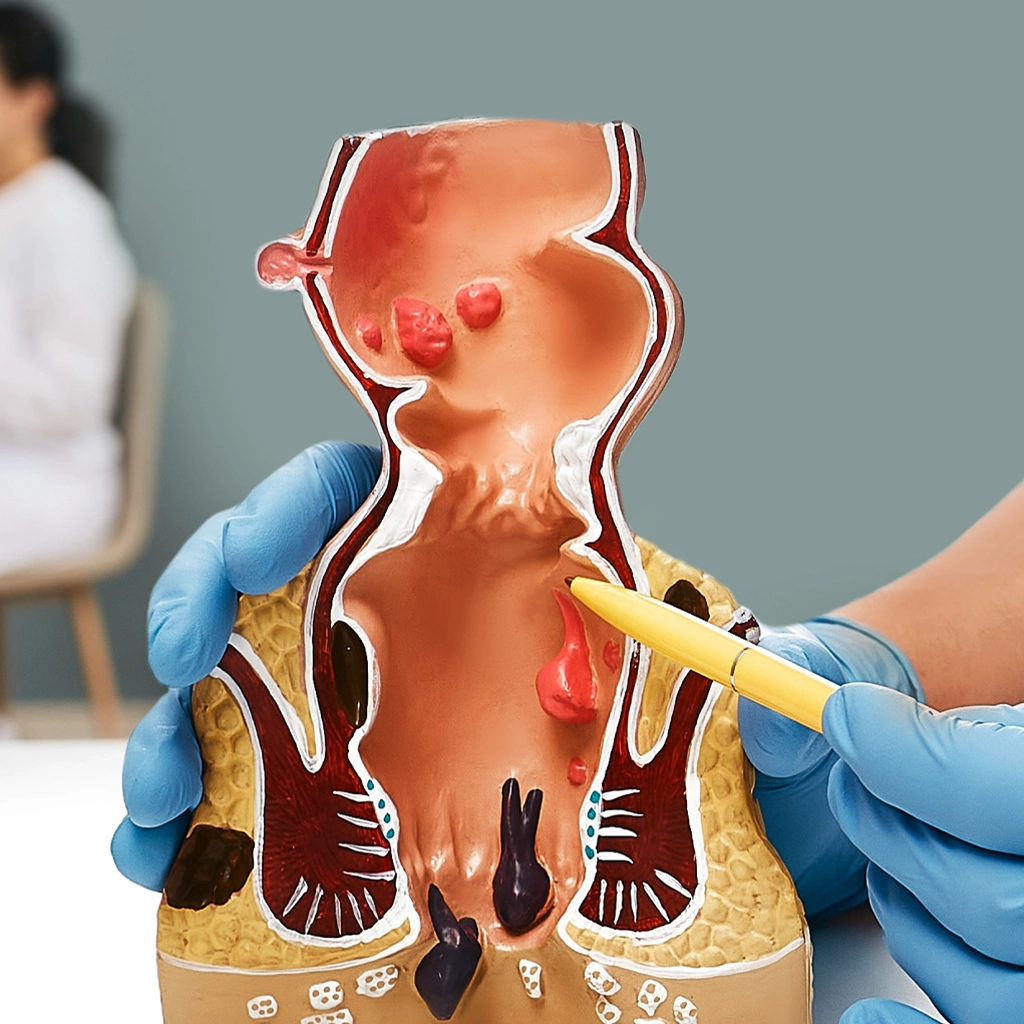
Hemorrhoidal artery embolization (HAE) is a minimally invasive, image-guided procedure used to treat symptomatic hemorrhoids by reducing their blood supply, which causes them to shrink and symptoms to be relieved. Unlike surgical hemorrhoidectomy, HAE does not require incisions in the anal canal, which significantly reduces pain and shortens recovery time.

It is particularly beneficial for patients who are not ideal candidates for surgery or who wish to avoid the downtime associated with more invasive treatments.

Hemorrhoidal Artery Embolization (HAE)

Why consider hemorrhoidal artery embolization?

  • High success rate (90-95%) – HAE remains effective for up to 93% of patients at 1 month
  • No hospitalization – HAE is performed in our convenient outpatient center
  • No general anesthesia – HAE only requires “twilight” sedation during the procedure
  • Not performed through the anus – HAE requires a tiny incision in the wrist or thigh to access the bloodstream, which means less patient discomfort during recovery
  • Shorter recovery – You can return home the same day as the procedure and resume most normal activities
  • Less risk – Surgical procedures like hemorrhoidectomy have higher intraoperative and post-operative risks
  • Less expensive than surgery – This can make a real difference when it comes to insurance deductibles and co-pays

What happens during the HAE procedure?

HAE is performed by an interventional radiologist using small catheters inserted through the wrist or groin and navigated to the hemorrhoid using imaging guidance. This allows for precise targeting of the hemorrhoidal arteries while preserving surrounding tissue.

Once the catheter has reached the branches of the superior rectal artery that feed the hemorrhoids, tiny particles or coils are then released to selectively block these vessels, leading to shrinkage of the hemorrhoidal tissue and improvement in bleeding and discomfort. Unlike traditional surgical hemorrhoidectomy, HAE is typically done under local anesthesia, requires no incisions in the anal region, and is associated with shorter recovery times and less pain.

Why visit Carolina Endovascular for your HAE procedure?

The HAE procedure is performed at hospitals throughout North Carolina. Fortunately, you can avoid the hassles of going to the hospital for this procedure… such as paying for parking, long waiting periods and potential exposure to very ill patients.

Carolina Endovascular delivers a very different experience. With our primary focus on you, we deliver a level of concierge-style service uncommon in healthcare today. Our doctors are just as experienced as hospital doctors; in fact, they used to work at hospitals and have extensive experience performing procedures like HAE. Our staff has all the required safety equipment and training. Additionally, the same procedure costs less at our center, which can save you money when it comes to insurance deductibles and co-pays.

HAE Preparation Instructions

  • Please inform us about any medications that you are taking, including herbal supplements. Also, please inform us if you have any allergies, or have had allergic reactions to local anesthetic agents, any medications or contrast (also known as “X-ray dye”).
  • Our staff may advise you to stop taking aspirin, non-steroidal anti-inflammatory drugs (Tylenol, Advil) or a blood thinning medication for a period of time before your procedure.
  • Please inform us if you have other medical conditions or have recently experienced an illness.
  • You may take your usual medications, including blood pressure medications, unless otherwise instructed.
  • You may be asked not to eat or drink anything for several hours before your procedure.
  • Expect to remain for 1-2 hours after your procedure for a period of observation.

HAE Frequently Asked Questions

Insurance coverage varies depending on your provider and individual plan. Our team will verify your benefits before treatment and help you understand any expected out-of-pocket costs so you can make an informed decision. In many cases, patients find the overall cost comparable to or less than surgical treatment when recovery time is considered.

One of the main reasons patients consider embolization is to avoid the significant discomfort often associated with hemorrhoid surgery. Because the treatment does not involve cutting sensitive tissue in the anal area, most patients report mild soreness rather than severe pain during recovery.

Recovery timelines vary, but many patients return to normal daily activities within a few days. Some improvement in symptoms may occur quickly, while full results continue to develop over several weeks as the treated hemorrhoids shrink.

Clinical studies and real-world experience show high rates of symptom improvement, particularly for bleeding and discomfort. Outcomes depend on factors such as hemorrhoid severity, underlying causes, and adherence to lifestyle recommendations after treatment.

Surgery and banding treat hemorrhoids directly from inside the anal canal, which can lead to more discomfort during recovery. Embolization works differently by reducing the blood flow feeding the hemorrhoids from within the blood vessels. This approach may be especially appealing for patients who want to avoid invasive procedures or who are not ideal candidates for surgery or banding.

Patients with persistent symptoms — especially ongoing bleeding — despite conservative treatments are often evaluated for embolization. A consultation helps determine whether this option is appropriate based on your symptoms, medical history, and prior treatments.

Recurrence is possible with any hemorrhoid therapy if contributing factors such as constipation, straining, or prolonged sitting continue. Addressing these factors alongside treatment can help improve long-term results.

We have two centers conveniently located in Charlotte, NC and Greensboro, NC.

Take our quiz to see if you qualify for chronic hemorrhoid treatment.

Fill out your information below and the team at Carolina Endovascular will reach out to you shortly!

This field is for validation purposes and should be left unchanged.
Name(Required)
How soon would you like to schedule a consultation?(Required)
Which location would you prefer?(Required)