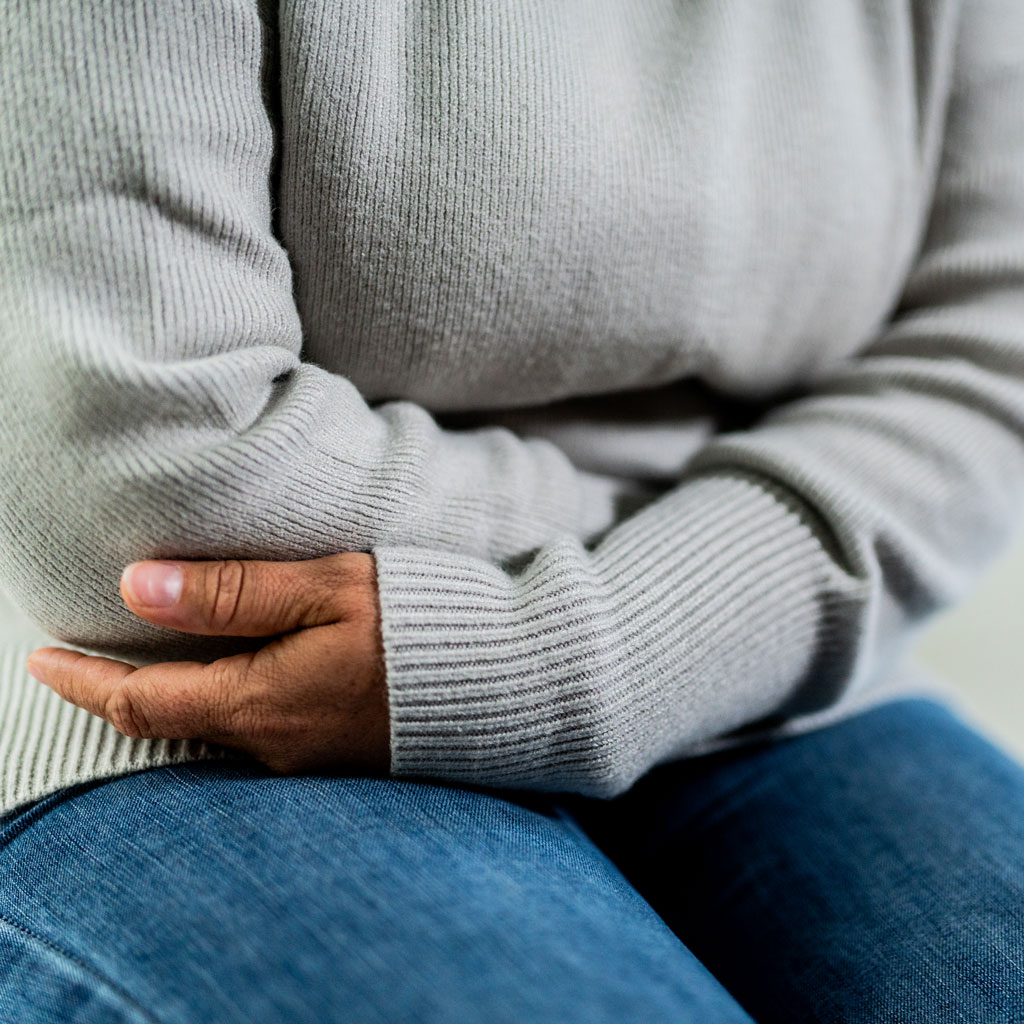
Pelvic Pain That Won’t Go Away? It Could Be Pelvic Venous Disease
Medically Reviewed by Dylan Suttle, MD and Peter O. Simon, Jr., MD
Pelvic venous disease (PVD) is an often overlooked cause of chronic pelvic pain in premenopausal women.¹˒² You may also see it called pelvic congestion syndrome (PCS), the older name for the condition. PVD occurs when blood flows irregularly through weak pelvic veins, causing them to twist and swell, much like varicose veins in the legs. The swelling, which is caused by blood pooling in the veins, is typically the source of the pain.¹˒²
While PVD isn’t a serious or life-threatening condition, the chronic pain it causes can interfere significantly with daily life.⁴ Recognizing the symptoms of PVD can be an important first step toward understanding the cause of your pain and exploring the treatment options available.
Quick Answer: Pelvic venous disease (PVD), also known as pelvic congestion syndrome (PCS), is a condition caused by abnormal blood flow and enlarged veins in the pelvis that can lead to chronic pelvic pain. Symptoms may worsen after standing for long periods, later in the day, around menstruation, or during or after sexual intercourse.²˒⁴ Treatment may include conservative approaches or a minimally invasive procedure called ovarian vein embolization (OVE), depending on the cause and severity of symptoms.¹˒²
What Are the Symptoms of Pelvic Venous Disease (PVD)?
The most common symptom of PVD is persistent pelvic pain, often described as heavy or dull. While the pain may increase right before or during your period, it’s typically present throughout your entire menstrual cycle. Your pain might also get worse later in the day or during sexual intercourse, while lying down might cause it to lessen. Other symptoms of PVD include:
- Discomfort in the legs
- Urinary issues
- Visible varicose veins around the upper thighs
- Bowel pain²˒⁴
How Is Pelvic Venous Disease Diagnosed?
PVD is diagnosed by considering your symptoms along with imaging that evaluates the pelvic veins. Ultrasound, CT or MRI may be used, while venography may be performed when additional evaluation or treatment is needed.¹˒²˒⁴
How Is Pelvic Venous Disease Treated?
The best PVD treatment for you depends on a variety of factors, including the underlying cause and severity of symptoms. Some people find relief from conservative approaches such as certain lifestyle changes, compression, or medication.¹˒⁴
What Is Ovarian Vein Embolization (OVE)?
Others might benefit from a more direct, minimally invasive treatment called ovarian vein embolization (OVE). OVE works by blocking abnormal blood flow through affected ovarian and pelvic veins, which can reduce venous congestion and associated pain.¹˒³ It is nonsurgical and does not require general anesthesia. While more invasive surgical procedures for PVD, like laparoscopic surgery, do exist, they have become increasingly uncommon over time.³˒⁴
When Should You See a Specialist for Pelvic Pain?
If pelvic pain is persistent, interferes with daily activities, or hasn’t improved with other treatments, it may be worth discussing whether a vascular condition such as pelvic venous disease could be contributing to your symptoms. An experienced interventional radiologist can evaluate your symptoms and determine whether additional imaging or treatment may be appropriate.¹ If you’re living with persistent pelvic pain and would like to learn whether PVD could be contributing to your symptoms, contact Carolina Endovascular to schedule a consultation.
Frequently Asked Questions About Pelvic Venous Disease
Is pelvic venous disease the same as pelvic congestion syndrome?
More or less. Pelvic venous disease (PVD) is the newer, broader term for the condition long known as pelvic congestion syndrome (PCS) but also includes other conditions related to additional abnormal vessels in the pelvis and near the kidneys. Pelvic congestion syndrome specifically describes the symptoms related to abnormal veins around the uterus and ovaries.
Is pelvic venous disease dangerous?
Pelvic venous disease is not typically considered a life-threatening condition. However, the chronic pain and other symptoms associated with PVD can significantly affect your comfort, daily activities, and quality of life.²˒⁴
How is pelvic venous disease diagnosed?
PVD is diagnosed by considering your symptoms along with imaging that evaluates the veins in your pelvis. Ultrasound, CT, or MRI may be used, and in some cases, venography may be performed to more closely evaluate abnormal pelvic veins.¹˒²˒⁴
Does ovarian vein embolization require surgery?
No. Ovarian vein embolization is a minimally invasive, image-guided procedure performed through a small catheter rather than a surgical incision. It typically does not require general anesthesia, and most patients are able to go home the same day.³˒⁴
References
- Society of Interventional Radiology. The Society of Interventional Radiology Practice Guidance Document on Venous-Origin Chronic Pelvic Pain in Women. Journal of Vascular and Interventional Radiology. 2026.
- Alsannan B, Alzeeny A, Etrusco A, et al. Diagnosis and Management of Pelvic Congestion Syndrome: Comprehensive Review. Gynecologic and Obstetric Investigation. 2024;89(6):437–444. doi:10.1159/000539931.
- Hanna J, Bruinsma J, Temperley HC, et al. Efficacy of embolotherapy for the treatment of pelvic congestion syndrome: A systematic review. Irish Journal of Medical Science. 2024;193(3):1441–1451. doi:10.1007/s11845-024-03608-6.
- Cleveland Clinic. Pelvic Congestion Syndrome (PCS): Causes & Treatment. Medically reviewed and updated May 21, 2026.