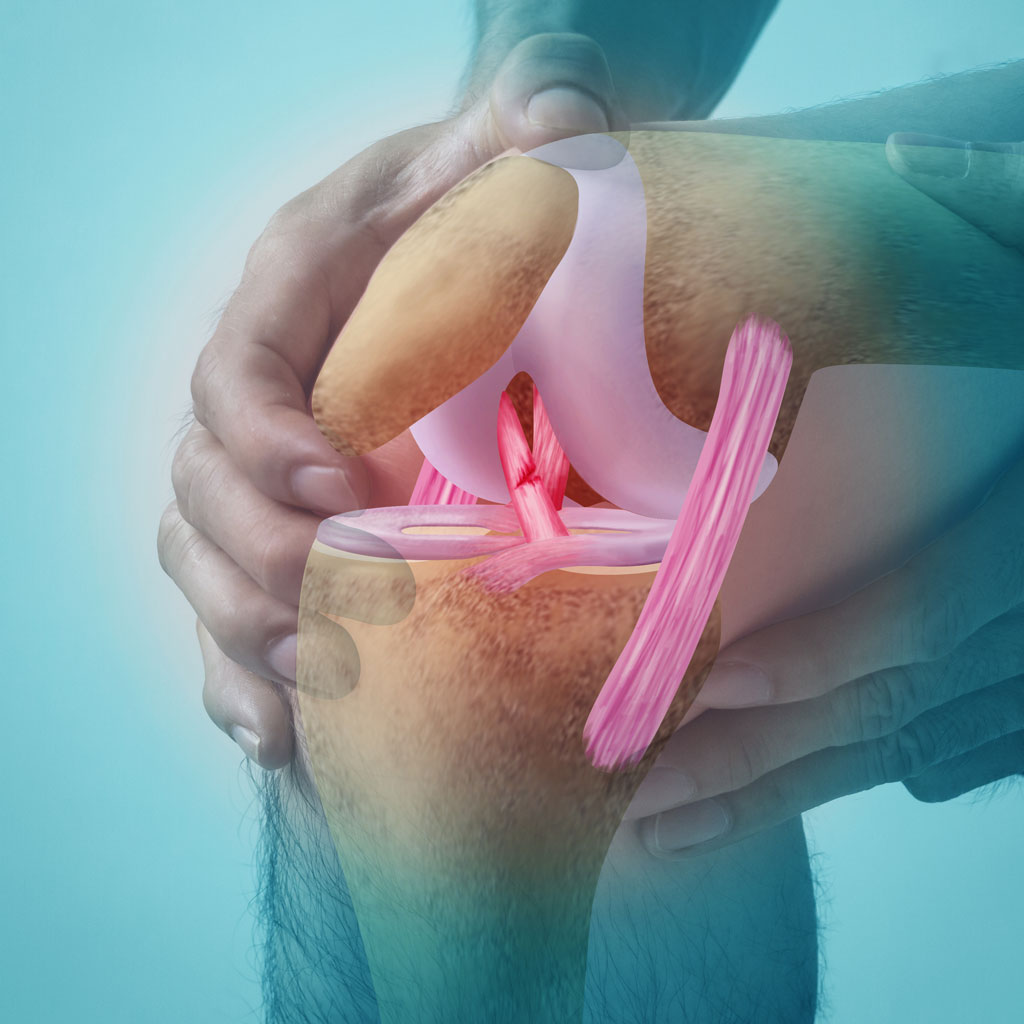
Knee Pain at Night: Is It Arthritis, or Something Else?
Between 60% and 80% of people with knee osteoarthritis say their knee pain at night gets worse, often noticeably worse than anything they feel during the day. It’s one of the most common, and most disruptive, symptoms of the condition. It also tends to be the final straw that sends people looking for answers, since a dull daytime ache is easy to shrug off but a throbbing knee pain at night that keeps waking you up is not.
Quick answer: Nighttime knee pain that builds gradually, worsens with rest, and comes with stiffness or a grinding sensation is a hallmark sign of knee osteoarthritis. Sudden, sharp pain with swelling, redness, or numbness points to something else and needs prompt medical evaluation. Below is how to tell the difference, and what to do about it.
Why knee osteoarthritis pain gets worse at night
During the day, moving your body helps circulate synovial fluid through the knee joint, which keeps swelling down and pain relatively manageable. Once you stop moving for the night, that fluid can pool, inflammation builds, and the joint stiffens up. That’s a big part of why so many people with knee OA notice their pain ramping up right when they’re trying to fall asleep.1
It can also cause a negative cycle. Poor sleep doesn’t just result from arthritis pain, it actively makes that pain worse the next day. The Arthritis Foundation notes that disrupted sleep increases a person’s sensitivity to pain, which creates a cycle: a bad night leads to a more painful day, and a more painful day leads to another bad night.2
Common symptoms that point to knee osteoarthritis
If you’re trying to figure out whether your knee pain is arthritis-related, these are the symptoms doctors typically look for alongside it:
- A deep ache or stiffness that’s worse after periods of rest, including first thing in the morning
- Grinding, clicking, or crackling sensations when bending or straightening the knee
- Swelling that builds up gradually rather than appearing overnight
- A noticeable, gradual loss of range of motion
- Pain that flares with weather changes or after a more active day
If several of these line up with what you’re experiencing, knee osteoarthritis is a reasonable starting point for a conversation with your doctor.
When knee pain at night might be something else
Keep in mind that not every ache that shows up after dark is arthritis. If you’re experiencing any of the below, it’s worth seeking immediate medical attention.3
- Sudden, sharp pain with significant swelling may indicate bursitis or a fresh injury, such as a meniscus tear.
- Warmth, redness, and fast-onset pain in a single joint can signal gout or infection, both of which need prompt medical attention rather than home care.
- Pain paired with numbness or tingling may point to a nerve issue rather than a joint problem.
Non-surgical OA treatment worth knowing about
For decades, people have relied on over-the-counter pain relievers, physical therapy, corticosteroid injections, and eventually, if nothing else works, knee replacement surgery. What many people don’t realize is that there is a non-surgical option!
Genicular artery embolization (GAE) is a minimally invasive, non-surgical knee pain treatment that targets the abnormal blood vessel growth associated with knee osteoarthritis. Performed by an interventional radiologist, the procedure reduces blood flow to inflamed tissue inside the joint, which can ease pain and swelling without the recovery time or risks that come with joint replacement.
For patients who’ve tried conservative treatments without lasting relief, but aren’t ready for, or aren’t good candidates for, surgery, GAE has become one of the more promising alternatives to knee replacement. It tends to be especially effective for people whose pain is most noticeable at rest and at night.
When to schedule a consultation
Occasional knee soreness after a long day is normal. But pain that consistently wakes you up, builds with rest, and shows up alongside stiffness or grinding is one of the more reliable signals of knee osteoarthritis, and it deserves attention. The good news is that a diagnosis doesn’t automatically mean surgery is next.
Carolina Endovascular specializes in minimally invasive treatments for knee pain related to osteoarthritis. Find out if you’re a candidate for GAE, and contact our team to schedule a consultation with our interventional radiologists.
Frequently asked questions
Is knee pain at night always a sign of arthritis?
No. While it’s one of the most common signs of knee osteoarthritis, sudden or severe nighttime knee pain, especially with swelling, redness, or numbness, can point to other conditions like gout, infection, or a fresh injury.
Why does osteoarthritis pain feel worse when lying down?
Reduced movement allows fluid and inflammation to build up in the joint, and newly formed blood vessels inside the joint lining can become engorged when you lie flat, both of which intensify the ache.
What is genicular artery embolization (GAE)?
GAE is a minimally invasive procedure performed by an interventional radiologist that reduces blood flow to inflamed tissue in the knee joint, easing pain and swelling without surgery.
When should I see a doctor about knee pain at night?
If the pain is consistently waking you up, building with rest, and paired with stiffness or grinding, it’s worth scheduling an evaluation. Sudden, severe pain with swelling, redness, or numbness warrants prompt medical attention.
References
- Courtney, P.M., Rothman Orthopaedic Institute at Jefferson Health, as cited in U.S. News & World Report, “Is Your Knee Pain Worse at Night? 6 Ways to Improve Pain.”
- Arthritis Foundation, “Osteoarthritis and Sleep.”
- USA Pain Center, “Could Knee Pain at Night Be Osteoarthritis?”