Prostate Artery Embolization vs. UroLift: Which Minimally Invasive BPH Treatment Is Right for You?
If you’re researching minimally invasive treatments for an enlarged prostate (BPH), you’ve likely come across two popular options: Prostate Artery Embolization (PAE) and UroLift.
Both procedures are designed to relieve frustrating urinary symptoms, such as frequent urination, a weak stream, urgency, and nighttime trips to the bathroom. And both avoid traditional surgery.
But here’s what many men don’t realize: while UroLift can improve symptoms for certain patients, Prostate Artery Embolization treats the underlying cause of prostate enlargement without implants or surgical removal of tissue.
As more men look for a non-surgical BPH treatment that offers lasting results, minimal downtime, and preservation of sexual function, PAE is increasingly becoming the preferred option.
What Is Prostate Artery Embolization (PAE)?
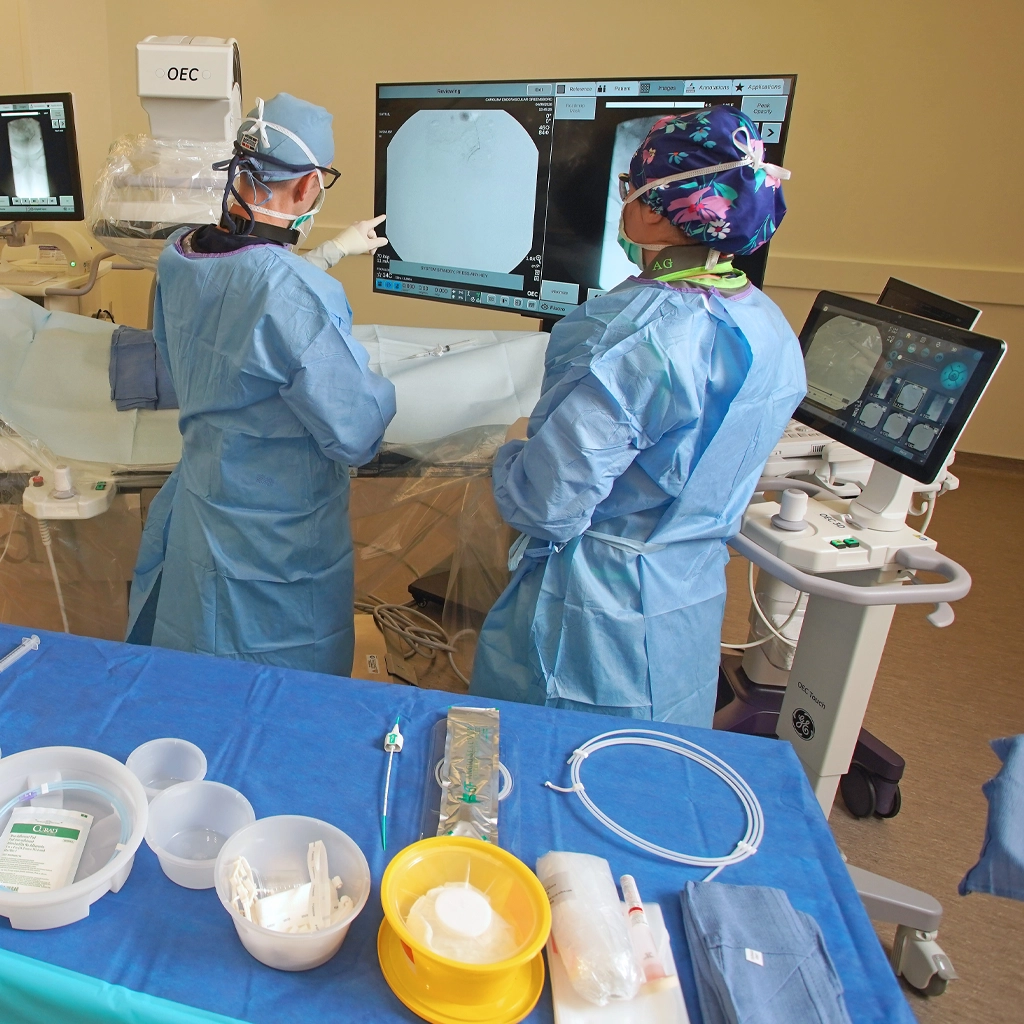
Prostate Artery Embolization is a non-surgical BPH treatment performed by an interventional radiologist. Instead of cutting or removing prostate tissue, PAE works by reducing blood flow to the prostate, causing it to shrink.
How PAE Works
- A tiny catheter is inserted through the wrist or groin
- Microscopic particles are injected into the prostate arteries
- Blood flow is reduced, shrinking the prostate over time
- Urinary symptoms improve as pressure on the urethra decreases
Key Benefits of PAE
- No surgical incision
- No implants
- Performed under local anesthesia
- Low risk of sexual side effects
- Suitable for larger prostates
- Outpatient procedure with short recovery time
PAE is often recommended for men who:
- Have moderate to severe BPH symptoms
- Have a prostate that’s too large for other procedures
- Want to avoid surgery or general anesthesia
- Are concerned about preserving sexual function
What Is the UroLift Procedure?
The UroLift System is another minimally invasive procedure, typically performed by a urologist. Instead of shrinking the prostate, UroLift uses small implants to hold prostate tissue away from the urethra, improving urine flow almost immediately.
How UroLift Works
- Tiny permanent implants are placed through the urethra
- Prostate tissue is “lifted” out of the way
- The urethra stays open, improving urinary flow
Key Benefits of UroLift
- Quick symptom relief
- No cutting or removal of tissue
- Typically performed in an office setting
- Preserves erectile and ejaculatory function
- Minimal downtime
UroLift is often best for men who:
- Have mild to moderate BPH
- Have a prostate less than 80 grams
- Want fast symptom improvement
- Prefer a urology-based procedure
Why Prostate Artery Embolization Might Be the Best Choice for You
When deciding between PAE and UroLift, the differences go beyond the procedure itself—both can impact your recovery, long-term results, and quality of life. While UroLift can provide fast relief for some men, PAE offers a comprehensive, minimally invasive solution that works for a wider range of prostate sizes without the need for implants or surgery.
PAE may be the right choice if you:
- Want a non-surgical, implant-free option
- Have a larger prostate that may not respond as well to UroLift
- Are concerned about preserving sexual function
- Prefer a gradual, natural reduction in prostate size instead of permanent hardware
- Want a short recovery time with minimal downtime
Unlike other treatments, PAE addresses the root cause of prostate enlargement—excess blood flow—allowing the prostate to shrink naturally. This approach can deliver lasting symptom relief and is increasingly recognized as a safe, effective alternative to surgery or implants.
Prostate Artery Embolization vs. Urolift: How PAE Is Changing the Game
Living with BPH symptoms doesn’t have to be your “new normal.” Thanks to advances in minimally invasive prostate procedures, men now have effective alternatives to traditional surgery.
Whether you’re exploring PAE, UroLift, or other enlarged prostate treatment options, the right solution is highly personal—and worth discussing with the professionals at Carolina Endovascular.