“I thought heavy periods were just normal”: Why more women are seeking relief from fibroids without surgery
Medically reviewed by Peter O. Simon Jr., MD
For years, Melissa planned her life around her period.
She kept extra clothes in her car. She avoided long meetings at work. Family vacations caused anxiety because she constantly needed to know where the nearest restroom was. The fatigue became overwhelming, and the bloating and pelvic pressure made her feel uncomfortable almost every day.
Still, she told herself the same thing many women do: “This is probably just normal.”
It wasn’t.
Melissa eventually learned she had uterine fibroids, a condition affecting millions of women, often during the busiest years of their lives. And like many women, she was surprised to discover she had treatment options beyond major surgery.
Melissa’s story represents what many women experience daily. In fact, up to 70-80% of women will develop fibroids by age 50.
At Carolina Endovascular, Dr. Dylan Suttle and Dr. Peter Simon help women find relief through Uterine Fibroid Embolization (UFE), also known as Uterine Artery Embolization (UAE), a minimally invasive treatment that can help women avoid hysterectomy and get back to living life! Read on to learn more about fibroids and treatment options.
What are uterine fibroids?
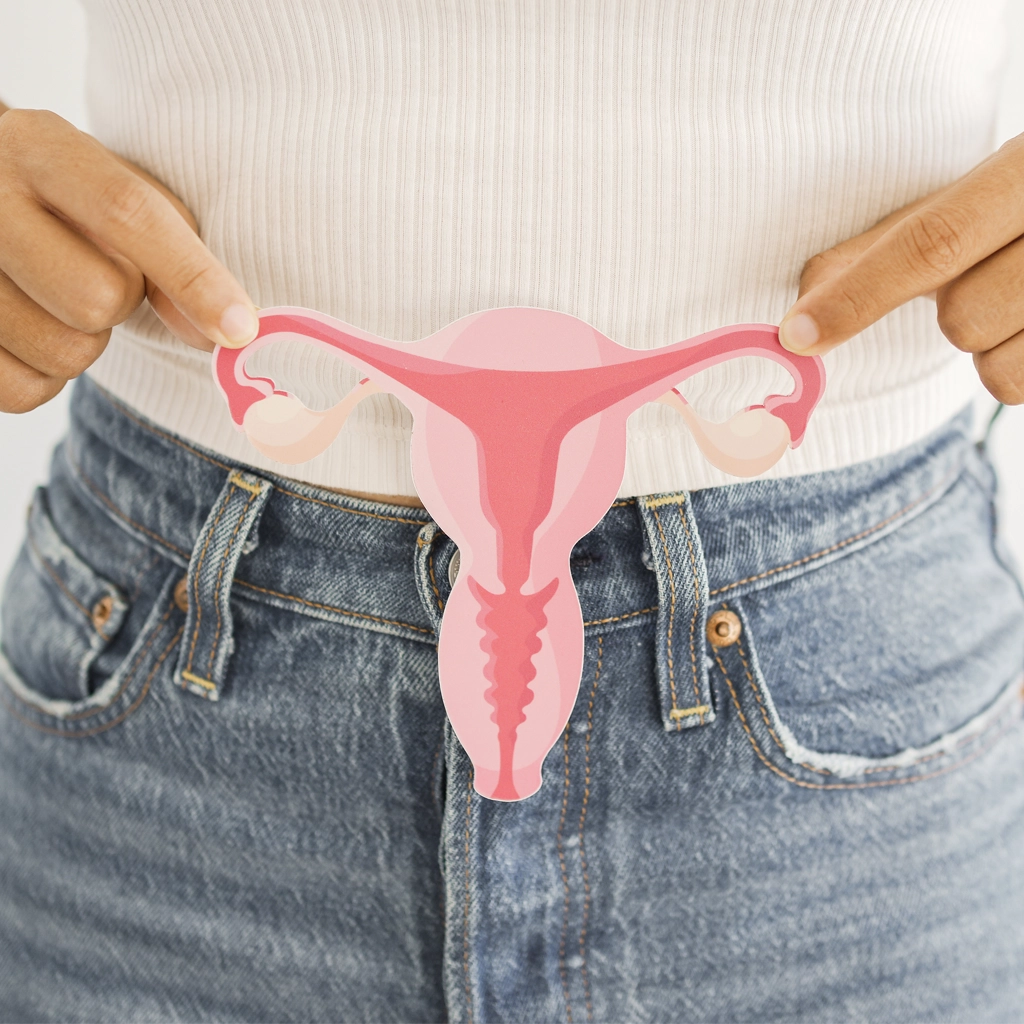
Uterine fibroids are non-cancerous growths that develop in or around the uterus. They are extremely common, especially among women in their 30s and 40s.
Common symptoms of uterine fibroids include1:
- Heavy or prolonged periods
- Pelvic pain or pressure
- Frequent urination
- Bloating or abdominal fullness
- Lower back pain
- Pain during intercourse
- Fatigue from iron-deficiency anemia
- Difficulty participating in work, travel, exercise, or social activities
For many women, symptoms worsen gradually over time, making it easy to dismiss them as stress, aging, or hormonal changes.
“I didn’t realize how much fibroids were affecting my life”
Many women with fibroids say the same thing after treatment: “I didn’t realize how bad things had gotten until I finally felt better.” That is because fibroid symptoms often become normalized.
Women push through heavy bleeding, they rearrange schedules around their periods, they stop wearing certain clothes, they carry extra supplies everywhere they go. Some avoid exercise, intimacy, or travel because of discomfort or fear of bleeding through clothing in public, the list goes on and on.
And unfortunately, many women assume surgery is their only option. But treatment for fibroids has evolved significantly!
What is Uterine Fibroid Embolization (UFE)?
Uterine Fibroid Embolization is a minimally invasive procedure performed by an interventional radiologist.
Rather than surgically removing fibroids or the uterus, UFE works by blocking the blood flow feeding the fibroids. Over time, the fibroids shrink, which can significantly improve symptoms.
The procedure is image-guided and performed through a tiny incision, often with a much shorter recovery compared to traditional surgery.
Benefits of UFE/UAE include:
- Relief from heavy bleeding and pelvic pressure
- No large surgical incision- you’ll go home with just a band-aid!
- Faster recovery than hysterectomy
- Less downtime from work and family life
- Preservation of the uterus
- Performed in a convenient and comfortable outpatient setting (allowing you to avoid the hospital altogether!)
Many women return to normal activities far sooner than they would after major surgery.
Why more women are choosing minimally invasive treatment: relief from fibroids without surgery
For women balancing careers, children, caregiving responsibilities, and everyday life, the idea of a long surgical recovery can feel overwhelming. That is one reason many women are exploring minimally invasive fibroid treatment options like UFE.
At Carolina Endovascular, Dr. Dylan Suttle and Dr. Peter Simon specialize in advanced image-guided procedures, including UFE/UAE for symptomatic uterine fibroids.
Their expertise in interventional radiology allows them to precisely target the fibroids while minimizing impact on surrounding tissue. Patients also benefit from receiving care in an outpatient office-based lab (OBL) setting rather than navigating the stress and complexity of a hospital environment. For many women, that experience feels more personal, more comfortable, and more convenient.
When should you talk to a fibroid specialist?
If heavy periods, pelvic pain, or pressure are interfering with your quality of life, it may be time to seek evaluation.
Many women are told their symptoms are “not serious enough” or that hysterectomy is the only definitive option. But every woman deserves to understand the full range of treatments available.
You may be a candidate for UFE if you:
- Have symptomatic uterine fibroids
- Want to avoid hysterectomy/re looking for alternatives to surgery
- Want a shorter recovery time
You don’t have to keep living with fibroid symptoms
If you didn’t already know, May is Women’s Health Month, and this is a reminder that your symptoms deserve attention!
For many women, learning about fibroids and minimally invasive treatments like UFE becomes life-changing. If uterine fibroids are affecting your daily life, Dr. Dylan Suttle and Dr. Peter Simon at Carolina Endovascular can help you understand your options and determine whether UFE/UAE may be right for you.
Schedule a consultation
To learn more about minimally invasive fibroid treatment, schedule a consultation with Carolina Endovascular and take the first step toward lasting relief.
References