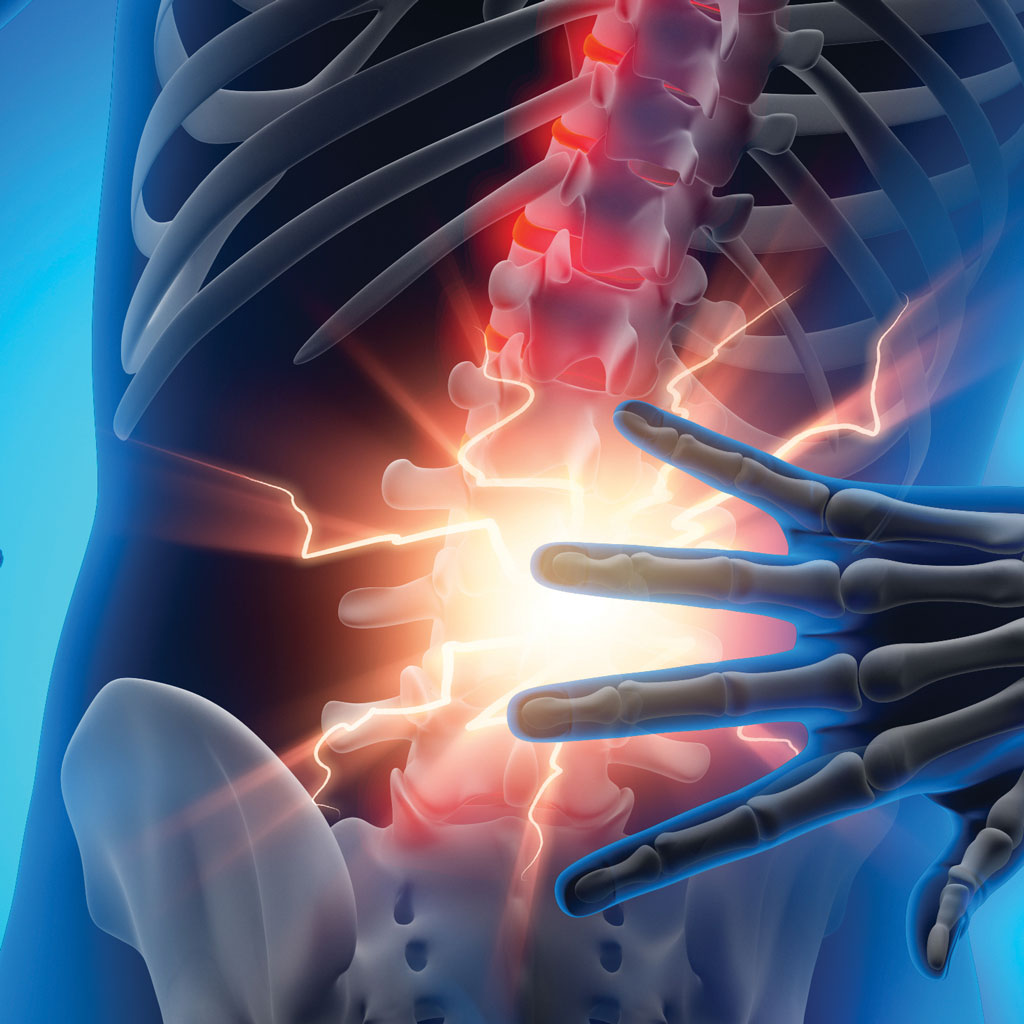
Vertebral Augmentation: Minimally Invasive Treatment for Spinal Compression Fractures
Medically Reviewed by Peter O. Simon, Jr., MD
Vertebral compression fractures are common; they affect more than 50% of women and 30% of men during their lifetimes.1
These fractures can significantly affect a person’s quality of life, causing persistent back pain, limited mobility and difficulty performing everyday activities. These fractures often occur when the vertebrae—the bones that make up the spinal column—become weakened, most often due to osteoporosis, trauma, or certain medical conditions such as cancer that has spread to the spine.
For those experiencing painful vertebral compression fractures, minimally invasive vertebral augmentation procedures, including vertebroplasty and kyphoplasty, may offer an option for pain relief and improved mobility.
Quick Answer: What Is Vertebral Augmentation?
Vertebral augmentation is a minimally invasive treatment for painful spinal compression fractures. Procedures such as vertebroplasty and kyphoplasty use medical-grade bone cement to stabilize fractured vertebrae, potentially relieving back pain and improving mobility without major surgery.
Vertebroplasty vs. Kyphoplasty: What’s the Difference?
These procedures are designed to stabilize the fractured vertebra using a fast-drying bone cement, through a tiny incision and image-guided needle placement. During vertebroplasty, the cement is injected into the fractured vertebra to stabilize and strengthen the bone. With kyphoplasty, a special balloon is inserted into a collapsed vertebra and inflated to restore structure and height to the bone. The balloon is then deflated and removed, and the cement is injected into the cavity it leaves behind.
When conservative treatments for vertebral compression fractures—such as pain medications, bracing and bed rest—fail to achieve relief, consider vertebral augmentation performed by the interventional radiologists at Carolina Endovascular. Our doctors are highly trained and experienced at performing these procedures. Many of our patients achieve immediate and significant pain relief on the same day as their procedure.
Both vertebral augmentation procedures are established treatment options. The American Academy of Family Physicians 2026 review recommends that vertebroplasty or kyphoplasty be considered when the symptoms of vertebral compression fractures remain inadequately controlled after six weeks.2
Find Relief From Vertebral Compression Fractures
Living with persistent back pain from a spinal compression fracture? The interventional radiologists at Carolina Endovascular offer minimally invasive treatment options, including vertebroplasty and kyphoplasty, for eligible patients.
Contact Carolina Endovascular today to schedule a consultation and learn whether vertebral augmentation may be right for you.
Frequently Asked Questions About Vertebral Augmentation
What is the difference between vertebroplasty and kyphoplasty?
Both procedures use medical-grade bone cement to stabilize fractured vertebrae. Kyphoplasty also uses a balloon to create space within the fractured bone and helps restore vertebral height.
How long does it take to recover from vertebral augmentation?
Patients return home the same day and resume light activities within a few days. Recovery varies depending on the severity of the fracture and the patient’s overall health.
Who is a candidate for vertebral augmentation?
Patients experiencing persistent pain from a vertebral compression fracture despite conservative treatment may be candidates. An interventional radiologist can review imaging, symptoms and medical history to determine whether vertebroplasty or kyphoplasty is appropriate.
Can vertebral augmentation provide immediate back pain relief?
Most patients experience significant pain relief shortly after the procedure, while others improve gradually.
References
- Freedman, B. A., et al. (2008). Osteoporosis and vertebral compression fractures—continued missed opportunities. The Spine Journal, 8(5), 756–762.
- Creech-Organ, Julie, and Brooke Organ. “Vertebral Compression Fractures.” American Family Physician, vol. 113, no. 1, Jan. 2026, pp. 51–56, www.aafp.org/afp/2026/0100/vertebral-compression-fractures.